
Data diary · May 11–17, 2026
Pantry-first week: eating the shelves down to $23
The complete meal log, including the good lentils, the repetitive oats, and the lunch that nearly became a takeaway.
We ate 21 at-home meals for a $23 grocery top-up by planning around rice, lentils, oats, pasta, beans, potatoes, and freezer odds. Counting the food already owned, the estimated ingredients used were worth $54.40. The win was less waste and one skipped shop—not pretending the shelves were free.
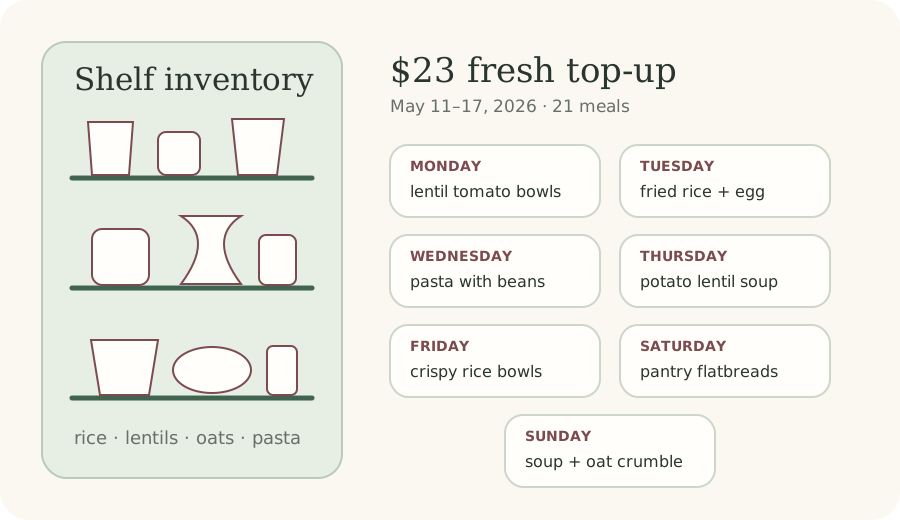
First, we counted what was already paid for
On Sunday, May 10, I took everything from one pantry shelf and wrote down usable amounts. We had 3 cups of rice, 2 cups of red lentils, 18 ounces of oats, 12 ounces of pasta, two cans of white beans, one can of tomatoes, flour, a small jar of peanut butter, and half a packet of raisins. The freezer added peas, four flatbreads, two portions of tomato sauce, and a heel of grated cheese.
The vegetable drawer was less heroic: six potatoes, two onions, one tired carrot, half a lemon, and garlic. We checked dates and condition, then put foods with the shortest life at eye level. “Pantry-first” meant starting the plan there. It did not mean refusing ingredients that made those foods pleasant.
The $23 top-up
On May 11, the only grocery trip cost exactly $23: six eggs for $3.40, plain yogurt for $3.10, a cabbage for $2.20, bananas for $2.10, spinach for $3.50, two cans of tomatoes for $2.80, milk for $3.60, and apples for $2.30. Prices are the receipt totals, not idealized per-serving estimates.
We chose cabbage because it keeps and can be raw, sautéed, or folded into soup. Yogurt worked at breakfast and as a sauce. Eggs rescued leftovers. Fruit made the week feel like meals rather than an inventory punishment. Our budget category was $65, so the top-up left $42 available for the following week.
The full seven-day meal log
| Day | Breakfast | Lunch | Dinner |
|---|---|---|---|
| Mon 11 | Oats, banana, peanut butter | Tomato-lentil soup and flatbread | Lentil bowls with rice, spinach, yogurt |
| Tue 12 | Yogurt, oats, apple | Leftover lentil bowl | Fried rice with egg, peas, cabbage |
| Wed 13 | Warm raisin oats | Fried-rice leftovers | Pasta with white beans and tomato sauce |
| Thu 14 | Banana-oat pancake | Bean pasta, cabbage slaw | Potato-lentil soup with cheese toast |
| Fri 15 | Yogurt, apple, toasted oats | Soup and flatbread | Crispy rice bowls with egg and spinach |
| Sat 16 | Scrambled egg on flatbread | Rice-and-bean cabbage cups | Pantry flatbreads with tomato, onion, cheese |
| Sun 17 | Oat porridge with raisins | Last-bits vegetable soup | Soup, cabbage slaw, apple-oat crumble |
Monday and Tuesday: cook once, create choices
Monday’s pot used one onion, the carrot, a can of tomatoes, and a cup of lentils. Before seasoning it fully, we removed two cups for Thursday’s potato soup. That small move avoided eating the identical dish four times. Dinner added rice, spinach, lemony yogurt, and chili oil from the cupboard.
Tuesday’s fried rice was the best meal of the week and the clearest case for cooking rice ahead. Cold rice, peas, cabbage, garlic, and two eggs took 14 minutes. We packed one lunch before serving dinner so the leftovers did not become an accidental extra portion at the table.
Wednesday and Thursday: the middle sag
By Wednesday evening, pasta sounded comforting. White beans made the freezer tomato sauce substantial, while shredded cabbage with lemon gave it crunch. The meal used pantry food without tasting like a compromise. Thursday breakfast was less successful: one thick banana-oat pancake tore in the pan and looked like sweet scrambled eggs. It still tasted fine with yogurt.
At 12:25 p.m. Thursday, I almost bought lunch near work. I had packed bean pasta but forgotten a fork. Borrowing one from the staff kitchen saved $9.50 and revealed something important: pantry planning fails as often through logistics as appetite. A packed meal must also be portable, reachable, and complete.
Friday through Sunday: planned leftovers, not debris
Friday’s crispy rice used the last cooked rice, another egg, spinach, and the loose vegetables. Saturday lunch folded beans and cabbage into lettuce-free cups; awkward but good. For dinner, the frozen flatbreads carried tomato, onion, and the remaining cheese. We would make those again even with a full grocery budget.
Sunday’s soup accepted the final potato, lentils, cabbage core, peas, and half-can of tomatoes. Apple-oat crumble used two apples and the last 4 ounces of oats. At 8 p.m. the shelf was not bare: flour, peanut butter, some rice, garlic, and staples remained. “Eating down” meant restoring visibility, not engineering emptiness.
What the $23 headline leaves out
The purchased top-up was $23, but the week consumed food we had already bought. Using receipt prices where we had them and conservative store prices otherwise, we estimate the pantry, freezer, and existing produce used at $31.40. The week therefore contained roughly $54.40 in food, or $2.59 per meal for 21 meals. That is still useful, but it is honest.
We also used oil, salt, spices, tea, and coffee without measuring pennies. Electricity and cooking time are absent. Two dinners fed both of us; breakfasts and most lunches reflect my portions, with Mara eating separately. This is a household log, not a universal meal plan or nutrition prescription.
What changed afterward
We labeled open dry goods with the month and stopped buying lentils merely because they are responsible. We now keep a “use first” basket, check it before making the list, and schedule a pantry week every six to eight weeks. That interval is long enough to gather odds and short enough to recognize them.
The $42 left in groceries did not vanish into a vague saving claim. On May 18, we assigned $30 to June groceries and $12 to our annual kitchen-replacement envelope. If you like that kind of visible assignment, see our Goodbudget envelope test. For a lower-pressure spending reset, our soft no-spend diary uses the same “notice first” approach.
Pantry-first week FAQ
What is a pantry-first week?
It is seven days of planning meals around food already at home, with a short top-up list for fresh ingredients that make those foods usable. It is an inventory exercise, not a ban on shopping.
Did the week really cost only $23?
The new groceries cost $23. Food already in the pantry, freezer, and vegetable drawer had an estimated used value of $31.40, so the meals were not free. Our estimated total ingredient value was $54.40.
How often should you do one?
We prefer once every six to eight weeks, before packages become stale or freezer food becomes mysterious. A quick monthly “use first” meal can work better for smaller households.
Theo Finch logged every meal and checked the May 11 grocery receipt. Mara Bell verified the pantry-value estimate and ate the flatbread without editorial complaint.